
Every machine with moving parts is fighting the same enemy: friction. Left unchecked, it turns into heat, wear, and eventually a breakdown.
Lubricant oil is the fix, but it isn't one thing. It's a category that spans everything from your bike's engine oil to the fluid that lubricates a turbine bearing, and picking the wrong one for the job does more harm than running without any lubricant at all.
So, if this sounds like something you're dealing with, here's what this blog will help you learn:
- What lubricant oil is and how it works.
- Types of lubrication and lubricating oils
- The additives that do the real work inside the oil
- How to choose the right lubricant for your equipment?
- How to test and verify that oil is still doing its job?
What Is A Lubricant?
A lubricant is any substance introduced between two moving surfaces to reduce friction and wear between them. Most industrial and automotive lubricants are oil-based, though greases, solid lubricants, and gases also fall under the same definition.
What Is Lubricant Oil?
Lubricant oils are viscous fluids that provide a protective film between two surfaces in relative motion, reducing friction and enabling smooth operation.
They're specifically formulated to reduce wear caused by metal-to-metal contact, and they work primarily through fluid film formation. The oil physically separates the two surfaces so they never fully touch.

What Are Types Of Lubrication?
Understanding how lubrication works is critical to selecting the right lubricant oil.
1. Boundary Lubrication
It occurs when two surfaces directly interact with a thin lubricant film in between. It is common in highly loaded, slow-moving parts and requires robust oil additives that protect by bonding to metal surfaces. Examples of this regime are gear tooth contact or cam-tappet contact in engines.
2. Mixed Lubrication
Involves partial separation between surfaces. The asperities of surfaces occasionally make contact and get separated. Oils with additives like Extreme Pressure (EP) and Anti-Wear (AW) help protect the surface in this regime. This is observed when the sliding speed of the surfaces increases, such as in piston-ring and liner contacts in the engine.
3. Hydrodynamic Lubrication
It occurs when the lubricant film completely separates the surfaces. It's prevalent in journals and bearings. High-viscosity fluids are needed to form thick films.
💡 Tip:
Most wear happens at startup and shutdown, when the oil film is thin. Always use an anti-wear additive; even high-speed machines need them to prevent costly damage.
What Are Various Types Of Lubricant Oils?
Numerous speciality lubricant oils cater to particular applications. But based on the nature of the base oil used to make them, they fall under four broad categories:
1. Mineral Lubricant Oils
They are derived from petroleum crude oil. They offer good viscosity characteristics and cost benefits. They are widely used in engine, gear, and hydraulic oils.
2. Synthetic Lubricating Oils
These are generally produced by chemically modifying crude oil molecules or artificially synthesising organic compounds. These oils display excellent viscosity-temperature properties, resistance to heat, oxidation, and sludge buildup.
3. Semi-Synthetic Lubricating Oils
These oils contain a combination of both mineral and synthetic oils and have superior viscosity behaviour when compared to a full mineral oil, particularly at lower temperatures.
4. Bio-based Lubricating Oils
They are manufactured from natural fats and are 100% renewable and biodegradable. They have improved lubricity when compared to mineral oils. They have viscosity and lubricity comparable to mineral oils.
What Are Lubricant Additives?
Additives (speciality chemicals) impart additional properties like EP and AW performance, detergency, and corrosion protection to lubricants, or boost existing properties like viscosity, pour point, and oxidation inhibition. Some critical additives are:
A. Anti-wear Agents & Extreme Pressure Additives:
Compounds containing sulphur, phosphorus, or nitrogen that prevent metal-to-metal contact through protective film formation. EP additives protect the metal at higher loads. Zinc dialkyl dithiophosphate (ZDDP) is an example of an AW agent.
B. Oxidation Inhibitors:
Neutralise acids formed by oil degradation and prevent sludge formation and corrosion, helping increase the life of the oil. Commonly used chemicals include phenols, amines, and phosphosulfurised hydrocarbons.
C. Detergents And Dispersants:
Additives that solubilise sludge or soot formed in the lubricant and neutralise acids formed during the oil's life, extending fluid life and maintaining viscosity.
D. Corrosion Inhibitors:
They form a protective film on the metal, shielding it from chemically active compounds that can corrode it.
E. Viscosity Modifiers:
Oil-soluble polymers that help control how viscosity changes with temperature, high enough at high temperatures for protection, low enough at low temperatures to reduce drag.
F. Pour Point Depressants:
Oil-soluble polymers that lower the pour point to improve flow at lower temperatures and avoid wax precipitation issues
Functions Of Lubricant Oils
Some essential functions that lubricants provide are:
- Friction and wear reduction
- Protection against corrosion and rust
- Heat dissipation and cooling
- Contaminant removal
- Neutralization of combustion acids
Criteria For Lubricant Selection
Consider the following main factors affecting lubricant selection before choosing a lubricant oil:
A. Operating Temperature Range - Determine the max/min temperatures during equipment operation. Oils have a permissible viscosity range for effective film formation; this is where lubricant viscosity becomes the deciding spec.
B. Load Carrying Requirement - Heavily loaded parts may need extreme pressure (EP) additives for seizing/pitting resistance.
C. Speed of Moving Parts - High speeds demand low-viscosity oils that minimise fluid friction. Slower parts permit the use of high-viscosity or grease-type lubricants.
D. OEM recommendation - The Original Equipment Manufacturer (OEM) recommends the best lubricant to help your equipment last longer and work better. The most reliable way to choose a lubricant is to check the equipment manual or guidelines.
Major Applications of Lubricants
Some prominent application areas of speciality lubricant oil, particularly industrial lubricant oil, are:
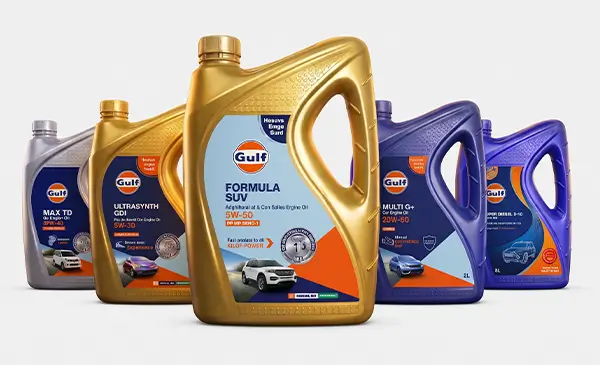
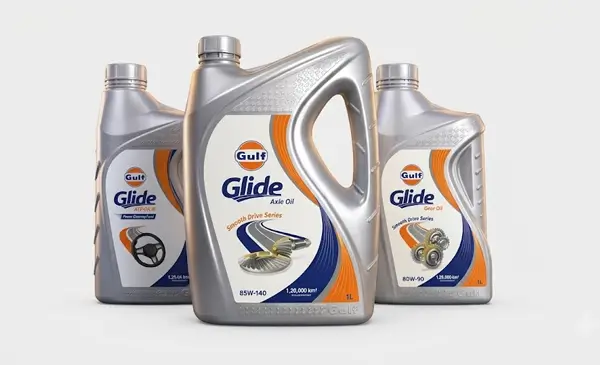
A. Automotive Oils - Engine oils, gear oils, automatic transmission fluids, and axle oils are critical in vehicle maintenance. They protect highly loaded contacts, dissipate heat, and keep components clean.
B. Hydraulic Oils - They require high anti-wear performance, with enhanced water handling and air release capabilities to ensure proper hydraulic performance. Mineral oils with Rust & Oxidation inhibitor additives, and/or AW additives are used. A viscosity modifier may also be used to improve the operating range.
C. Industrial Gear Oils - They require extreme pressure resistance and protection from micro-pitting wear. Mineral oils with sulfur, phosphorus, and EP additives are widely used.
D. Turbine Oils - The oils lubricate the turbine and generator bearings, and act as a hydraulic oil for pumps, torque convertors, etc if the system requires. They have high oxidation resistance as the turbine operates at high temperatures continuously.
E. Compressor Oils - They are usually oils with good rust and oxidation inhibition, but may often have higher anti-wear protection. Different compressors operate under different conditions and with different gases, and may require different oils accordingly.
Key Lubricant Testing Parameters
It's prudent to test lubricant condition and properties periodically, since these are the main lubricant testing methods that determine whether an oil is still fit for service:
A. Viscosity & Physical Properties Measurement
When kinematic viscosity changes, it can signal problems like oxidative degradation, additive loss, or fuel mixing with the oil. This means the oil may need to be replaced. Checking other factors, like the flash point, can also help assess oil quality.
B. Base Number or Acid Number Analysis
The base number (BN) or acid number (AN) is an indirect indication of the condition of the oil and its additives. If the Base number of an engine has decreased significantly over time, it may be that the additive levels in the oil have dropped. On the other hand, if the acid number has increased, it signifies higher acid content in the oil.
C. Elemental Analysis
Analysing the elements in an oil reveals the wear metals generated, helping identify component wear, damage, and additive depletion before they become bigger problems. This is essentially how oil analysis helps prevent equipment failure: rising wear-metal counts flag developing damage well before it causes a breakdown.
D. Spectrometric Oil Analysis
Spectrometric oil analysis determines the unique chemical "fingerprint" of a lubricant, identifying its specific additive and base oil composition. This technique also detects trace elements and wear metals, which can signal equipment wear or contamination.
Low oil pressure is the most common and most preventable cause of engine knock.
Miles between cambelt replacements - missing the interval risks catastrophic engine failure.
Average cambelt replacement cost - far cheaper than a full engine rebuild if the belt snaps.
| Routine Equipment | Critical Equipment | After Overhaul or Contamination |
|---|---|---|
| Test every 3 to 6 months | Test every 1 to 3 months | Test immediately |
Lubricant Suppliers And Cost Considerations

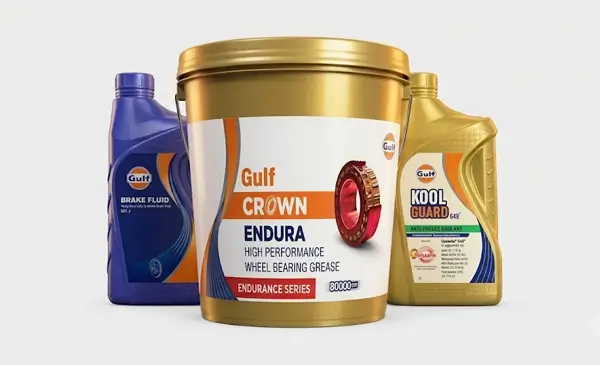
Leading lubricant manufacturers in India, such as Gulf Oil, produce a range of oils and greases for automotive and industrial applications. With state-of-the-art R&D and manufacturing plants, Gulf Oil makes high-performance mineral, semi-synthetic, and full-synthetic lubricants tailored for applications ranging from passenger-vehicle engine oils to industrial hydraulics.
Buy Gulf's industrial lubricants range from Amazon and Flipkart now!
Lubrication amounts to 2-4% of operational budgets in typical plants. Performance benefits like extended oil drain intervals and reliable operation offset total costs.
FAQs
The Finish Line
Choosing the right lubricant oil isn't about picking the most expensive option; it's about matching base oil, additive package, and viscosity grade to your equipment's actual load, speed, and operating environment, then verifying it's working through periodic testing