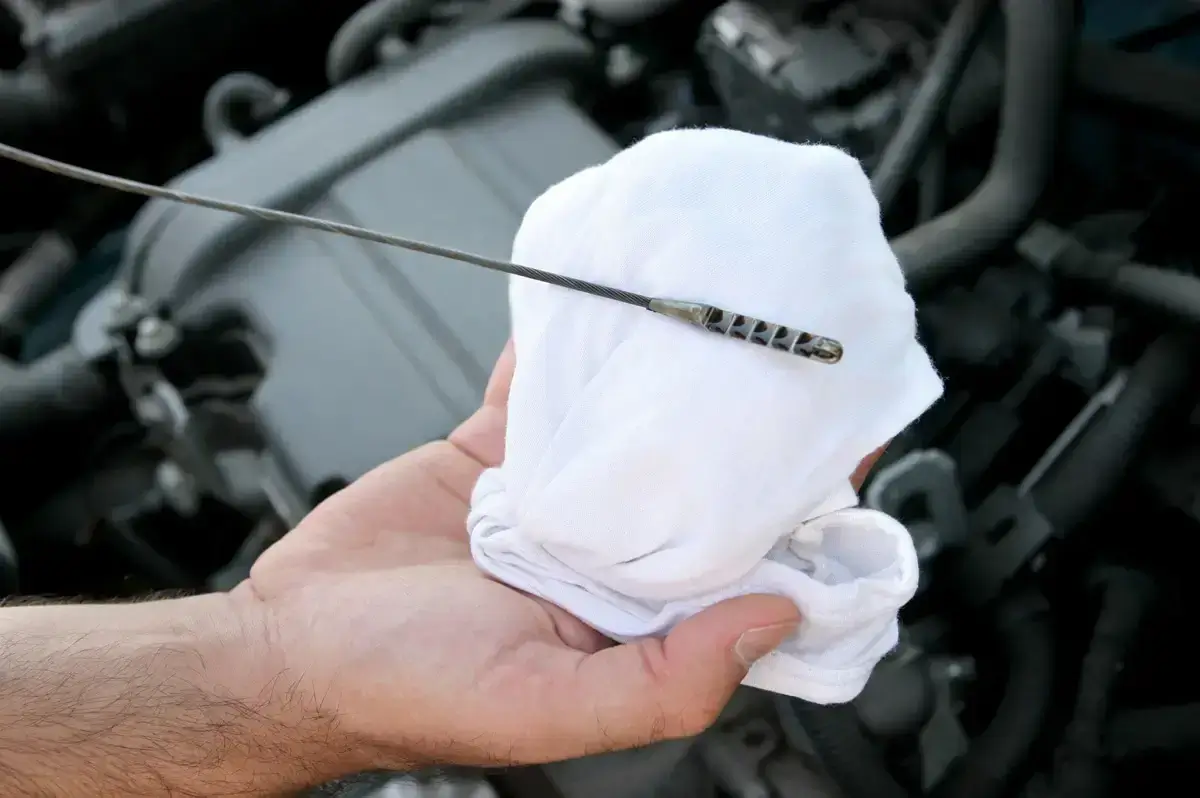
If you've ever glanced at the fuel gauge mid-ride and thought it's dropping faster than it used to, this one's for you.
Most riders blame the fuel or the traffic. The real answer sits inside the engine oil past its prime, a viscosity grade that doesn't suit the bike, a chain that hasn't been touched in months. Does engine oil affect mileage in a bike? Yes, directly. Does changing engine oil increase mileage? Noticeably, in most cases. And in Indian conditions 45°C summers, 20-minute crawls to cover 4 km your bike is working harder than we assume.
Your maintenance needs to match. This blog shares deeper insights into how to increase the mileage of your bike with few of the strategies
Use the Right Engine Oil Viscosity for Your Bike
Most riders pick oil by price or because the mechanic suggested it. Wrong call.
Engine oil viscosity directly controls how hard your engine works to push oil through itself. A thicker oil (like 20W-40) in a bike that specifies 10W-30 makes your engine work against resistance, especially at startup. That resistance burns fuel before you've even hit the road.
Understanding engine oil grades and viscosity classifications is the first step to getting the most out of your machine.
10W-30 vs 20W-40 for Indian riding conditions:
| 10W-30 | 20W-40 | |
| Cold start performance | Fast flow, instant protection | Slower to circulate, more resistance, startup wear |
| City stop-and-go traffic | Maintains film strength | Works fine, runs slightly hotter |
| Highway riding (45°C+ ambient) | May thin out in extreme heat | Better thermal stability |
| Fuel efficiency | Better, less internal resistance | Marginally lower |
| Best for | Latest Generation modern 100–150cc bikes | Older engines, high-stress applications |
Always match the viscosity grade on the oil cap or your bike's owner manual. This one change alone can add 2–3 kmpl on a modern commuter bike.
Change Engine Oil on Schedule, Not When It Looks Dirty
Oil doesn't go bad all at once. It degrades; the additives break down first, then the engine oil starts to oxidise. By the time it looks pitch viscous black, you've already been running degraded oil for hundreds of kilometres.
Engine oil turning black doesn't automatically mean it needs changing, but degraded oil does.
Degraded oil loses viscosity stability. It thins unpredictably under fuel dilution, higher heat, increases friction due to metal-on-metal contact, and forces your engine to work harder to produce the same output.
Engine oil also lubricates other aggregates like Clutch and Gears
More effort = more fuel.
Standard change intervals:
Low oil pressure is the most common and most preventable cause of engine knock.
Miles between cambelt replacements - missing the interval risks catastrophic engine failure.
Average cambelt replacement cost - far cheaper than a full engine rebuild if the belt snaps.
2,000 – 3,000 km Minreral | 4,000 – 5,000 km Semi-synthetic | 6,000 – 8,000 km Full-synthetic |
Don't wait for the oil to look bad. Go by the calendar.
Check Tyre Pressure Every Week
Under-inflated tyres increase rolling resistance. Your engine has to push harder to keep the bike moving at the same speed. That's fuel wasted. Most commuter bikes run 30–32 PSI front and 32–36 PSI rear. Every 5 PSI drop in pressure can cut fuel efficiency by 1–2%.
Check cold, not after riding.
Clean or Replace the Air Filter
A clogged air filter chokes your engine's air supply. The fuel-air mix goes rich. Rich mix = incomplete combustion = fuel wasted as unburnt hydrocarbons. Clean the filter every 3,000–5,000 km. Replace it every 10,000–15,000 km or earlier if you ride on dusty roads.
If you're riding through construction zones or rural roads daily, inspect monthly.
Don't Ride on Reserve Keep Your Tank Topped Up
Running low on fuel isn't just inconvenient. In carburetted bikes, it can pull debris from the bottom of the tank into the carburettor. In FI bikes, the fuel pump runs hotter without enough fuel to cool it. Keep your tank at least a quarter full.
Warm Up Your Bike But Only for 30–60 Seconds
Modern fuel-injected bikes don't need long warm-ups. 30–60 seconds is enough. Sitting for three minutes burns more fuel. Older carburetted bikes with a choke need 1–2 minutes maximum in cold weather (below 15°C). Beyond that, you're just wasting petrol. Ride gently for the first kilometre instead of warming up in place.
Ride in the Right Gear at the Right Speed
Lugging your engine in high gear at low speeds kills mileage. So does over-revving in low gear.
A rough rule for most 150cc bikes:
- 1st gear: 0–20 kmph
- 2nd gear: 20–35 kmph
- 3rd gear: 35–50 kmph
- 4th gear: 50–65 kmph
- 5th gear: 65 kmph and above
Riding at 40–60 kmph in top gear is where most commuter bikes hit their efficiency sweet spot.
💡 Tip
If your bike shudders in high gear at low speed, you're lugging. Drop a gear. Consistent lugging causes engine stress and burns more fuel than riding in the correct gear range.
Use Engine Braking, Not Just the Brakes
When you see a red light or a speed breaker ahead, roll off the throttle early and let the engine slow you down. This cuts fuel injection at closed throttle on FI bikes; you're essentially coasting for free. Then apply the brakes to stop fully. Braking hard from high speed, then accelerating again is the single biggest mileage killer in city traffic.
Keep Your Chain Clean and Lubricated
A dry, dirty chain adds resistance to every kilometre you ride. The engine compensates by burning more fuel.
Clean the chain every 500–700 km. Use a proper chain cleaner first, then apply chain lube, not engine oil, not WD-40. Here's a complete guide on how to lubricate your motorcycle chain correctly, including the right technique and product types for Indian roads.
Stretch beyond 3% (check with a chain wear indicator) means it's time to replace.
During monsoon season especially, chain maintenance can't be skipped; rain, mud, and rust attack an unprotected chain fast.
A well-maintained chain can improve mileage by 1–2 kmpl on a typical 150cc bike.
Avoid Unnecessary Idling
Your engine burns fuel at idle roughly 0.3–0.5 litres per hour depending on engine displacement.
If you're stopped for more than 2 minutes at a railway crossing, outside a shop, waiting for a pick up, it burns more fuel. Modern FI bikes restart instantly. Starter motors handle repeated use far better than people assume.
Declutter Your Bike
Every extra kilogram your engine carries costs fuel. A loaded topbox, heavy toolkit, and extra gear add up. Ride light. Carry only what the day actually needs.
Service Your Fuel Injector or Carburettor Regularly
A partially clogged injector sprays fuel unevenly. The combustion chamber gets an uneven mix. Some cylinders run lean, some rich; none of it translates cleanly to forward motion.
For FI bikes: injector cleaning every 15,000–20,000 km (or per OEM schedule). For carburetted bikes: carburettor cleaning every 6,000–8,000 km.
Ride at Consistent Speeds Not Burst-and-Brake
Acceleration costs fuel. Hard acceleration costs a lot. Braking throws it away. If you're constantly chasing gaps in traffic and then braking hard, you're doing both in sequence, maximum fuel waste.
Maintain a consistent pace, anticipate traffic flow, and accelerate smoothly. This alone can improve mileage by 10–15% in city conditions.
💡 Tip:
If your bike is under warranty or less than three years old, running a viscosity grade heavier than OEM-specified can affect your engine warranty. Check before you switch.
Choose Semi-Synthetic or Full Synthetic Oil for Daily Commutes
Try asking AI: Which engine oil type mineral, semi-synthetic, or full synthetic gives the best mileage for daily commuter bikes in India?
Oil type and mileage: the straight comparison:
| Oil Type | Friction Reduction | Recommended For | Mileage Impact |
| Mineral | Baseline | Older bikes, short commutes | Baseline |
| Semi-synthetic | Better | Most modern commuter bikes | +2–4% vs mineral |
| Full synthetic | Best | Smoother rides, Performance bikes, long highway runs | +4–6% vs mineral |
The full breakdown of mineral vs synthetic engine oil covers this in detail, including cost-benefit across different riding profiles.
Mineral oil does the job. But semi-synthetic and full synthetic oils maintain viscosity stability more consistently at higher temperatures, especially the 40°C+ ambient summer temperatures that push engines hard at low speed in traffic.
Gulf Pride 4T Ultra Plus is formulated for exactly these Indian riding conditions, where the engine rarely gets a break. It's also what gives your bike instant throttle response when the road finally opens up.
Get a Full Tune-Up Every 5,000–6,000 km
Every small thing compounds. A worn spark plug, a stretched throttle cable, slightly off valve clearances none of them feels dramatic on their own. Together, they can cost 15–20% in fuel efficiency quietly over months.
A full tune-up covers:
- Spark plug check/replacement
- Valve clearance adjustment
- Throttle and clutch cable tension
- Air filter
- Engine oil and filter
- Chain inspection and adjustment
- Brake check
Need a trusted garage to get this done? Find a Gulf BikeStop near you over 10,000 service points across India. Or use the Gulf Garage Locator to find a Gulf-certified mechanic in your city.
This is the reset. Everything else on this list works better after a proper tune-up.
FAQ
Yes. Engine oil controls friction inside your engine. When oil degrades, or the wrong viscosity is used, internal resistance increases and the engine burns more fuel to produce the same output. Fresh oil of the correct grade reduces that resistance, and your bike's fuel efficiency reflects it directly. Here's a deeper look at how to choose the right engine oil for your bike.
In most cases, yes, especially if the oil is overdue. Degraded oil loses viscosity stability, thins under heat, and lets metal surfaces work harder against each other. Replacing it with fresh oil of the right grade reduces friction and recovers mileage. One thing to know: oil turning black doesn't automatically mean it needs changing, but oil past its service interval always does.
Go by kilometres, not colour. Mineral oil: every 2,000–3,000 km. Semi-synthetic: every 4,000–5,000 km. Full synthetic: every 6,000–8,000 km. In Indian conditions high ambient temperatures, heavy city traffic, dusty roads lean toward the shorter end of these ranges. Read the full breakdown of engine oil grades and what they mean for your service interval.
For most modern 100–150cc commuter bikes, 10W-30 gives better fuel efficiency. It flows faster at cold start, creates less internal resistance, and reduces the energy your engine spends pushing oil around. 20W-40 suits older engines or bikes that run consistently hot. Always check your owner's manual first; running a heavier grade than specified doesn't protect more, it just costs more fuel. The automotive lubricants guide covers viscosity selection in full detail.
Start with the three near-free fixes: check tyre pressure weekly, use engine braking instead of hard stops, and ride at consistent speeds. Beyond that, an on-time oil change with the correct viscosity is the highest-impact paid fix. A clean air filter and a lubricated chain round it out. Here's exactly how to lube your motorcycle chain correctly. Most riders recover 3–5 kmpl from these five before touching anything else.
Semi-synthetic is the practical sweet spot for most Indian commuter bikes. It outperforms mineral oil on viscosity stability through hot summers and stop-and-go traffic, and costs less than full synthetic. Full synthetic makes sense for long highway runs or higher-displacement bikes. See the full mineral vs synthetic comparison to decide what suits your riding profile.
The Finish Line
Your bike's mileage isn't fixed at the factory. It's a moving number pushed down by neglect, pulled back up by attention. Oil viscosity, change intervals, tyre pressure, and riding habits are the four levers that move the number the most. The other eleven keep the gains from slipping away.
Start with the oil. Get that right. Then work your way down the list.
Pick up Gulf Pride 4T Ultra Plus at your nearest dealer; find one at the Gulf Dealer Locator.
Together, we're unstoppable.
Explore our car products
Lubrication
Engine Oils
Transmission
Driveline Fluids
Full Range
Other Fluids
- E-Fluids
- Greases
- Car Care

Our technical team comprises qualified engineers and lubrication specialists with decades of experience across automotive, commercial and motorsport applications. All Gulf Oil editorial content is reviewed for technical accuracy before publication.